If you or your child has ADHD, you may have noticed something frustrating: the same medication or therapy that works wonderfully for one person may do nothing — or even make things worse — for another. For years, doctors and researchers have wondered why. A major new study published in early 2026 in the journal JAMA Psychiatry may finally offer some answers.
Table of Contents
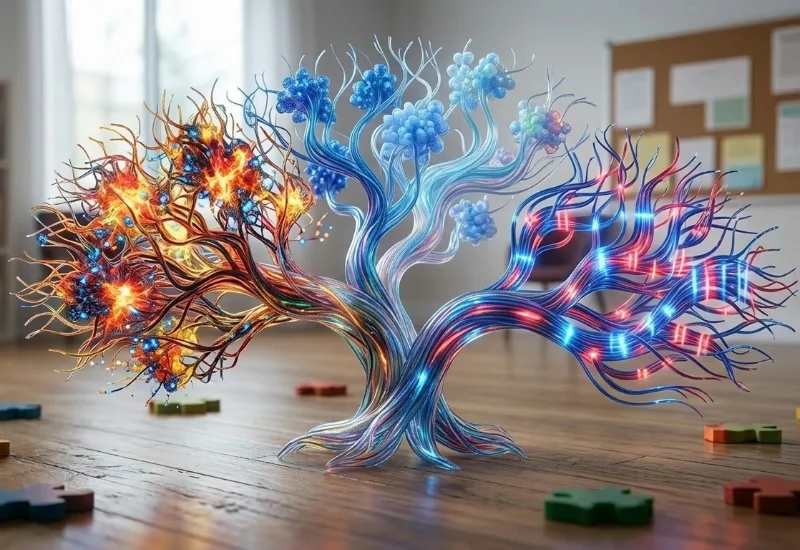
ToggleUsing brain scans from over 1,800 people, researchers from China, the United States, and Australia found evidence that ADHD is not just one condition. Instead, it may come in three distinct “biotypes” — or brain-based types — each with its own patterns in the brain and its own chemical makeup. Understanding which type a person has could one day point doctors toward the most effective treatment for that individual.
What Is a Biotype?
The word “biotype” simply means a group of people who share the same biological pattern — in this case, patterns in the brain. Think of it like blood types. Everyone’s blood looks red, but there are important differences underneath (A, B, AB, O) that matter a great deal for medical care. These researchers are suggesting ADHD may work in a similar way.
Researchers looked at brain scans and identified which areas of the brain were most affected and how those areas communicate with each other. By studying these patterns, they found three groups that showed up consistently. These groups also matched what doctors already see in their patients — which tells us the findings are likely to be meaningful in real life.
The Three Types of ADHD — Explained Simply
Type 1: The Overwhelmed Control Center
People in this group have challenges with both attention and emotional control. The part of the brain that handles self-control — deciding what to do, what not to do, and how to manage feelings — is working overtime and struggling to keep up.
What it looks like: Classic ADHD symptoms, including difficulty focusing, restlessness, and intense emotional reactions. People in this group may feel overwhelmed easily and have a harder time calming down after being upset.
Important: Researchers believe this group faces the highest risk of developing other conditions later on — such as anxiety, depression, or mood disorders. This means early support and intervention is especially important for people who fit this pattern.
Please Support. Together, we can make a difference!
Type 2: The Impulse Circuit Jam
People in this group tend to act before they think. The brain’s “braking system” — the part that says “wait, slow down” before you say or do something — is not working as quickly or reliably as it should.
What it looks like: More hyperactivity and impulsive behavior, but less trouble with focus compared to Type 1. A person might interrupt others, jump from activity to activity, or make quick decisions without thinking them through. They can be energetic and spontaneous, but also struggle with rules and boundaries.
Think of it this way: It’s like driving a car where the accelerator works great, but the brakes take a second too long to kick in.
Type 3: The Quiet Attention Struggle
People in this group have the most difficulty with paying attention, but show fewer signs of hyperactivity or emotional overwhelm. Their challenges are primarily internal — staying focused, following through on tasks, and avoiding distraction.
What it looks like: Daydreaming, forgetting things, losing track of tasks, or having a hard time finishing what they start — but without the emotional storms or constant movement of the other types. This type can be the easiest to miss or overlook, especially in children who appear calm or well-behaved.
Why Does This Matter?
Right now, ADHD is usually diagnosed based on behavior — what a child or adult does (or doesn’t do) in daily life. But two people with very different brain patterns can look the same on the surface. That’s part of why ADHD treatment often feels like trial and error.
This research suggests that if we can identify which brain type someone has, doctors could potentially match treatments to the person’s specific biology — rather than trying one medication after another hoping something sticks.
As one researcher on the study put it, the findings help confirm what experienced clinicians have observed over years of treating patients — and now there is biological evidence to support those clinical instincts.
Why Does This Matter?
Right now, ADHD is usually diagnosed based on behavior — what a child or adult does (or doesn’t do) in daily life. But two people with very different brain patterns can look the same on the surface. That’s part of why ADHD treatment often feels like trial and error.
This research suggests that if we can identify which brain type someone has, doctors could potentially match treatments to the person’s specific biology — rather than trying one medication after another hoping something sticks.
As one researcher on the study put it, the findings help confirm what experienced clinicians have observed over years of treating patients — and now there is biological evidence to support those clinical instincts.
What This Means for You Right Now
It’s important to be clear: this research is exciting, but it is still early. Brain scans are not yet being used routinely to diagnose ADHD or choose treatments. More research is needed before this becomes part of everyday medical care.
However, here are some practical takeaways you can use today:
- If a treatment isn’t working, don’t give up. The fact that ADHD appears to come in different types helps explain why one person’s solution isn’t another person’s solution. Keep working with your doctor or specialist to find the right fit.
- Pay attention to the full picture. Does the ADHD in your family come with strong emotional reactions? Or is it more about impulsivity? Or mostly attention? Sharing these details with your care team helps them tailor support more effectively.
- Early intervention matters — especially if emotional regulation is a challenge. If a child (or adult) struggles greatly with managing emotions alongside ADHD, that may be a signal to seek additional support sooner rather than later.
- Advocate for personalized care. This research points toward a future of more individualized ADHD treatment. You can help move in that direction now by pushing for care that addresses your specific profile, not just a generic ADHD checklist.
Looking Ahead
Researchers hope that future studies will follow people over time to see whether these brain types stay stable as children grow into adults. They also hope to use this kind of brain mapping to predict which medications or therapies will work best for each type.
The dream is a future where a person with ADHD doesn’t have to spend years finding the right treatment — because doctors can look at the biology of their brain and make a more informed, personalized recommendation from the start.
For now, this study is a meaningful step forward in understanding that ADHD is not a single, simple condition. It is a complex, brain-based experience that can look and feel very different from one person to the next — and that’s not a personal failing. It’s biology.
Sources
There might be 3 different types of ADHD, new brain study suggests – National Geographic. 2026.
Study: There might be 3 different types of ADHD – The University of Cincinnati. 2026